Water, Wetlands, and Watersheds

Parkland County recognizes the vital role wetlands play in biological diversity, water quality, and flood mitigation. It is estimated that Alberta has lost between 60 to 70% of wetlands located within settled areas. In 2016, Parkland County completed a Wetland Inventory & Historical Loss Assessment. The study estimated that over 37, 000 hectares of wetland loss has occurred in Parkland County between 1950 and 2013.  

To help address the impacts of historical wetland loss, Parkland County is working with the province under the Wetland Replacement Program (WRP), to restore and replace wetlands, where practical. 

These projects will be used to help achieve sustainability goals such as flood and drought mitigation, biodiversity improvements through increased wildlife habitat and water quality.

Agriculture and Wetlands

Wetlands provide many benefits to agriculture, including:  

  • Flood reduction
  • Groundwater recharge
  • Water filtration
  • Temperature moderation
  • Pollinator habitat

Additional benefits include increased biodiversity, recreational value, and carbon sequestration. 

For information on what you need to know when working in and around wetlands on your farm or ranch, refer to the Landowner Guide to the Alberta Wetland Policy

Agricultural producers interested in establishing beneficial management practices within their farming operation should contact ALUS.

 Project Updates

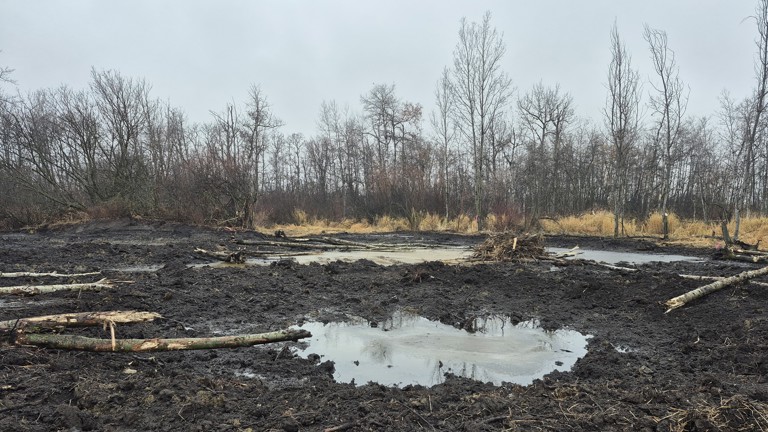
The County has completed its first wetland construction project under the provincial Wetland Replacement Program within the Edinburgh Park Subdivision. The project included a four-hectare permanent wetland connected to the County’s drainage system. Areas were excavated to shift open water away from a nearby road. This was done to create permanent wetland area and prevent further damage to the road that has been previously washed out from intense storms. The constructed wetland is expected to create educational opportunities, improve wildlife habitat, and reduce the impacts of drought and flooding. 

Planting took place in the summer of 2024 and included 1,000 aquatic plugs and 600 willows. Species included Creeping Spike Rush, Utriculata sedge, Bebbs Sedge, Water Sedge, Wild mint, Pussy Willow, and Yellow Willow.

Project Background

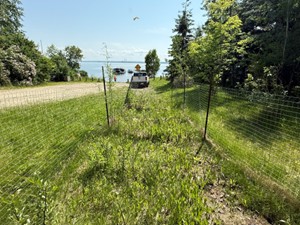
The Whitewood Sands bioengineering project has been in place since fall of 2022, with the silt fence being added in the spring of 2023. This project was designed to help the shoreline recover from the damage caused by ice heaves on Wabamun Lake. By incorporating native woody vegetation, the shoreline will be less susceptible to erosion and damage in the future. Each of the three project areas had wildlife fencing placed around them to allow the vegetation to be established without outside pressures such as browsing and trampling.

Project Areas

Silt Fence

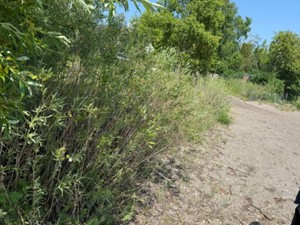
Located in the ditch along the West side of Sunset Avenue, this area is designed to filter out sediment before it can enter Wabamun lake and harm the fish and decrease water quality. The silt fence is made up of rows of live native willow stakes and dog wood that were harvested from nearby sites.

Dense Live Staking

Live stakes of willow species were also installed along the west side of the beach. The roots of these willows provide stability to help keep the shoreline intact. The wildlife fencing was removed in fall of 2024. However, due to some damage to the area in summer of 2025, the upper fencing was reinstalled in October 2025.

Wattle Fence

This structure prevents erosion along the steep bank located on the East side of the beach. The plants in the wattle fence slow water and their roots bind the soil together.  The wattle fence is made up of mostly native willows. Throughout the years, several other native plant species have been used, like snowberry, coneflower, and wild rose, to increase biodiversity at the site.

What's Next?

We will continue to monitor the project monthly throughout the growing season (May- September). Regular monitoring allows Parkland County to provide regular maintenance, such as watering as needed. Currently, wildlife fencing will remain around all three areas until the plants get larger to prevent damage. This will be reassessed throughout the 2026 season to determine if removal is possible. Feel free to stop by the site, where you can view an infographic for more information.
Contact Us

Parkland County Centre
53109A HWY 779, Parkland County, AB T7Z 1R1

General Office: 780-968-8888
Toll Free: 1-888-880-0858
After hours: 780-968-8400
Email: hello@parklandcounty.com

Report a Concern